
PSP Cargo Group Romania news
Blog
Operational challenges in rail logistics: Infrastructure, efficiency, and reliability
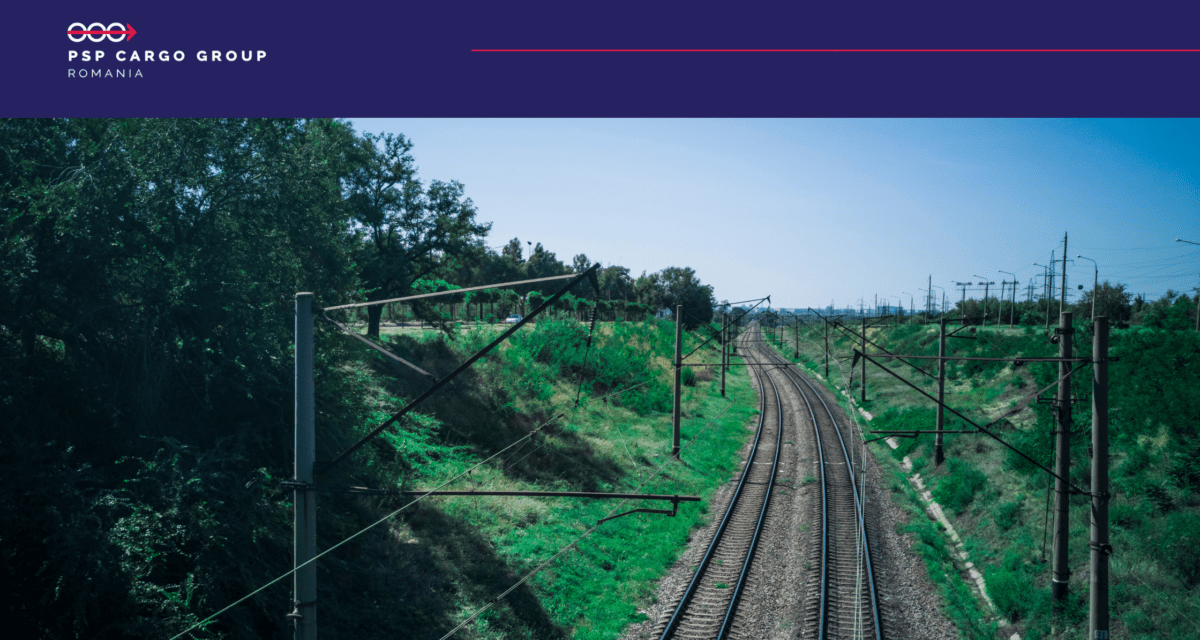
Rail freight transport is one of the most complex segments of the logistics industry. Unlike road transport, rail operations depend heavily on infrastructure availability, coordination between multiple stakeholders, and precise operational planning.
To better understand the realities behind rail logistics operations, we spoke with Kinga Mădărășan, General Director of PSP Cargo Group Romania, about the operational challenges shaping freight transport in 2026.
Her insights highlight the daily realities faced by rail freight operators across Europe, particularly in regions where infrastructure modernization is still underway.
Infrastructure modernization and operational constraints
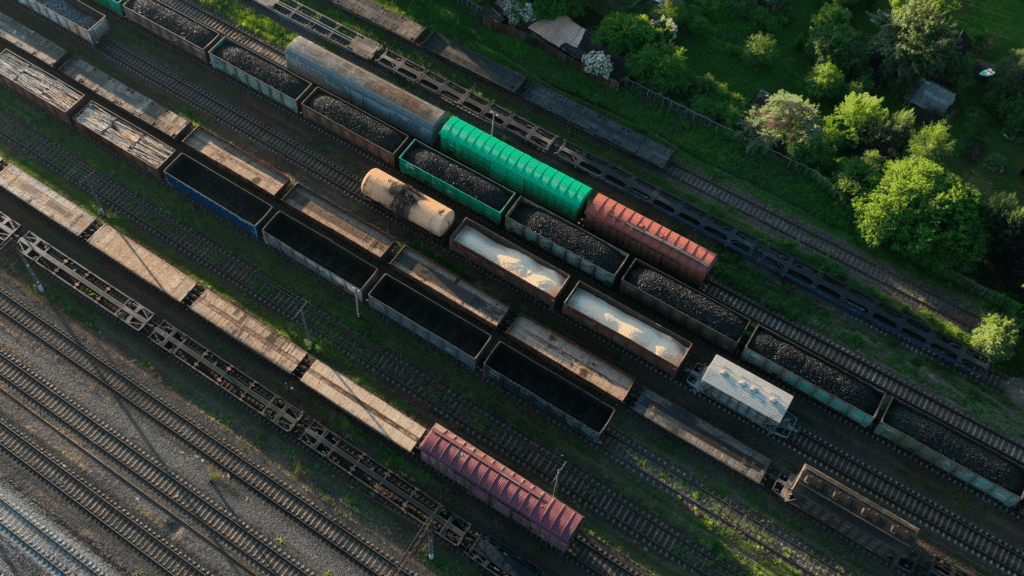
Railway infrastructure across Europe is undergoing significant modernization, and Romania is no exception.
Large-scale railway construction projects are essential for improving long-term capacity and efficiency, but they also create short-term operational challenges.
In Romania we currently operate on an infrastructure that is still undergoing major reconstruction,” Kinga explains. “Multiple infrastructure works are taking place simultaneously.
These modernization projects can affect train schedules, route availability, and transport planning for freight operators.
Rail logistics companies must therefore coordinate closely with infrastructure managers and partners in order to maintain reliable transport services.
Meeting client expectations in a complex environment

Despite infrastructure limitations, rail freight operators must continue to meet strict performance expectations from their clients.
Industrial supply chains depend heavily on predictable transport schedules. Delays in freight delivery can affect production planning, inventory management, and distribution networks.
For our clients, reliability remains extremely important,” says Kinga Mădărășan. “Freight must reach its destination within the promised timeframe.
Maintaining reliability under these conditions requires strong coordination between operations teams, infrastructure managers, and logistics partners.
As part of Waberer’s Group, PSP Cargo Group works in close coordination with road transport operations, which supports better alignment between transport segments and more predictable end-to-end delivery.
Performance measurement through operational indicators
In order to maintain operational discipline, rail logistics companies rely on a range of performance indicators.
PSP Cargo Group measures performance through quantitative and qualitative operational KPIs, allowing the company to monitor transport performance and identify improvement areas.
“These indicators help us understand how our operations perform in real conditions,” Kinga explains.
Operational performance analysis allows logistics operators to adjust planning strategies and improve efficiency over time.
Post-operational analysis and continuous improvement
Another important aspect of rail logistics management involves continuous operational analysis.
Following major transport operations or logistics projects, companies often perform post-operational evaluations in order to assess performance.
These analyses examine whether operational plans achieved their intended results and whether resources were used efficiently.
“In a challenging market environment, it becomes even more important to analyze operational results,” Kinga notes.
Such analysis helps companies refine logistics strategies and improve future transport operations.
The complexity behind reliable rail transport
Rail freight transport often appears simple from the outside — trains moving cargo across long distances.
In reality, each transport operation involves detailed coordination between multiple partners, infrastructure managers, and logistics providers.
Maintaining reliability in such an environment requires constant planning, operational discipline, and strong communication between all stakeholders involved.
For companies like PSP Cargo Group, operational efficiency and reliability remain the foundation of long-term success in the rail logistics sector.
Recent Comments